
The holiday season is a time for celebration, generosity, and creating meaningful memories with family and friends. From buying gifts and preparing festive meals to decorating homes and planning vacations, the excitement can make it tempting to spend more than we originally intended. However, without proper financial planning, holiday expenses can quickly turn into debt that follows us well into the new year.
The good news is that enjoying the holidays does not require overspending. With a realistic budget, thoughtful spending decisions, and a clear financial plan, individuals and families can celebrate the season while protecting their financial well-being.
1. Start With a Realistic Holiday Budget
One of the most effective ways to prevent holiday debt is to establish a spending budget before the festivities begin. Rather than estimating expenses as you go, take time to review your income, existing bills, savings, and upcoming financial responsibilities.
According to the Consumer Financial Protection Bureau (CFPB), creating a spending plan and tracking expenses can help consumers stay within their financial limits during the holiday season.
Begin by identifying the expenses you expect to have, such as:
Gifts: Presents for family, friends, coworkers, and other loved ones.
Food and celebrations: Holiday dinners, groceries, parties, and gatherings.
Travel: Transportation, accommodation, fuel, and other trip-related expenses.
Decorations: Holiday lights, ornaments, and seasonal household items.
Charitable giving: Donations, community activities, and helping families in need.
Miscellaneous expenses: Shipping fees, wrapping supplies, and unexpected purchases.
After listing these expenses, determine how much you can comfortably afford without compromising essential bills, debt payments, or emergency savings.
Remember, a holiday budget should reflect your actual financial situation—not the spending expectations of others.

2. Prioritize Your Financial Obligations
Holiday celebrations may be temporary, but your regular financial responsibilities continue throughout the season. Rent or mortgage payments, utilities, groceries, insurance premiums, loan payments, and other essential expenses should remain priorities.
Before allocating money for gifts and celebrations, calculate how much income remains after covering these obligations.
For example, if your monthly income is $3,500 and your essential expenses, debt payments, and planned savings total $3,000, you have $500 remaining for discretionary spending and other goals. Your holiday budget must fit within that available amount rather than rely on money needed for bills.
The figures will differ for every household, but the principle remains the same: celebrate with what you can afford, not with money you still need to earn or repay.
A budget also helps identify expenses that can be reduced temporarily. Dining out less often, postponing nonessential purchases, or limiting entertainment spending may free up additional money for the holidays without requiring you to borrow.

3. Create a Holiday Savings Fund Early
Saving gradually is generally more manageable than trying to cover all holiday expenses at once. Starting early gives you time to prepare for anticipated costs without putting unnecessary pressure on your monthly budget.
Consider opening a separate savings account or creating a dedicated category in your existing budget for holiday expenses. Set a savings target based on your expected spending and divide it across the paychecks remaining before the holidays.
For instance, if you estimate that you will need $600 for holiday expenses and have three months to prepare, you could aim to save $200 each month.
Even a smaller amount can help reduce your reliance on credit cards or personal loans.
The important thing is to make saving a planned expense rather than waiting to see whether money is left over at the end of the month. Consumer.gov recommends using a budget to track income and expenses and identify opportunities to save toward future goals.
If you are starting late, do not be discouraged. Adjust your spending expectations to match the amount you can realistically save before the celebrations begin.

4. Shop With a List and Avoid Impulse Purchases
Holiday sales, limited-time offers, and advertisements can make unnecessary purchases seem like opportunities too good to miss. However, a discount does not automatically mean a purchase is affordable or necessary.
Before shopping, prepare a list of the people you intend to buy gifts for, the items you plan to purchase, and the maximum amount you are willing to spend on each person. Compare prices and review your list before making a final decision.
The CFPB recommends making a shopping list, tracking purchases, and deciding on a payment method in advance to help prevent overspending.
Here are a few practical ways to shop more intentionally:
Set a spending limit for each gift.
Compare prices across different stores before purchasing.
Avoid buying items simply because they are on sale.
Give yourself time to reconsider nonessential purchases.
Keep track of every purchase so you know how much of your budget remains.
You can also explore meaningful alternatives to expensive gifts. Homemade presents, shared meals, personalized cards, and experiences together can be thoughtful ways to celebrate without creating financial pressure.
The value of a gift is not determined by its price tag. Thoughtfulness and time can make the holidays memorable without stretching your finances.
5. Use Credit Cards Carefully
Credit cards can be convenient for holiday shopping, but they can also make it easier to spend beyond your means. Because payments are delayed, you may not immediately feel the financial impact of your purchases.
Before using a credit card, ask yourself whether you could afford to pay for the purchase with the money currently available in your budget. If you cannot, consider whether the purchase is necessary or whether it can be postponed.
If you decide to use a credit card, keep these guidelines in mind:
Set a spending limit: Determine how much you can charge without disrupting your other financial obligations.
Understand the terms: Review the interest rate, fees, payment due date, and any promotional financing conditions.
Plan repayment in advance: Identify where the money for your credit card bill will come from.
Pay the full statement balance when possible: This can help you avoid interest on purchases when your account terms provide a grace period and you qualify for it.
Avoid relying on minimum payments: Paying only the minimum can extend the repayment period and increase the total interest you pay.³
Be especially careful with buy-now-pay-later services and deferred-payment promotions. Multiple small installment payments can accumulate, leaving you with more financial commitments than you anticipated.
Before accepting any financing offer, review the total cost, payment schedule, fees, and consequences of missed payments. If you cannot comfortably manage the repayment, choosing a less expensive option may be the better financial decision.
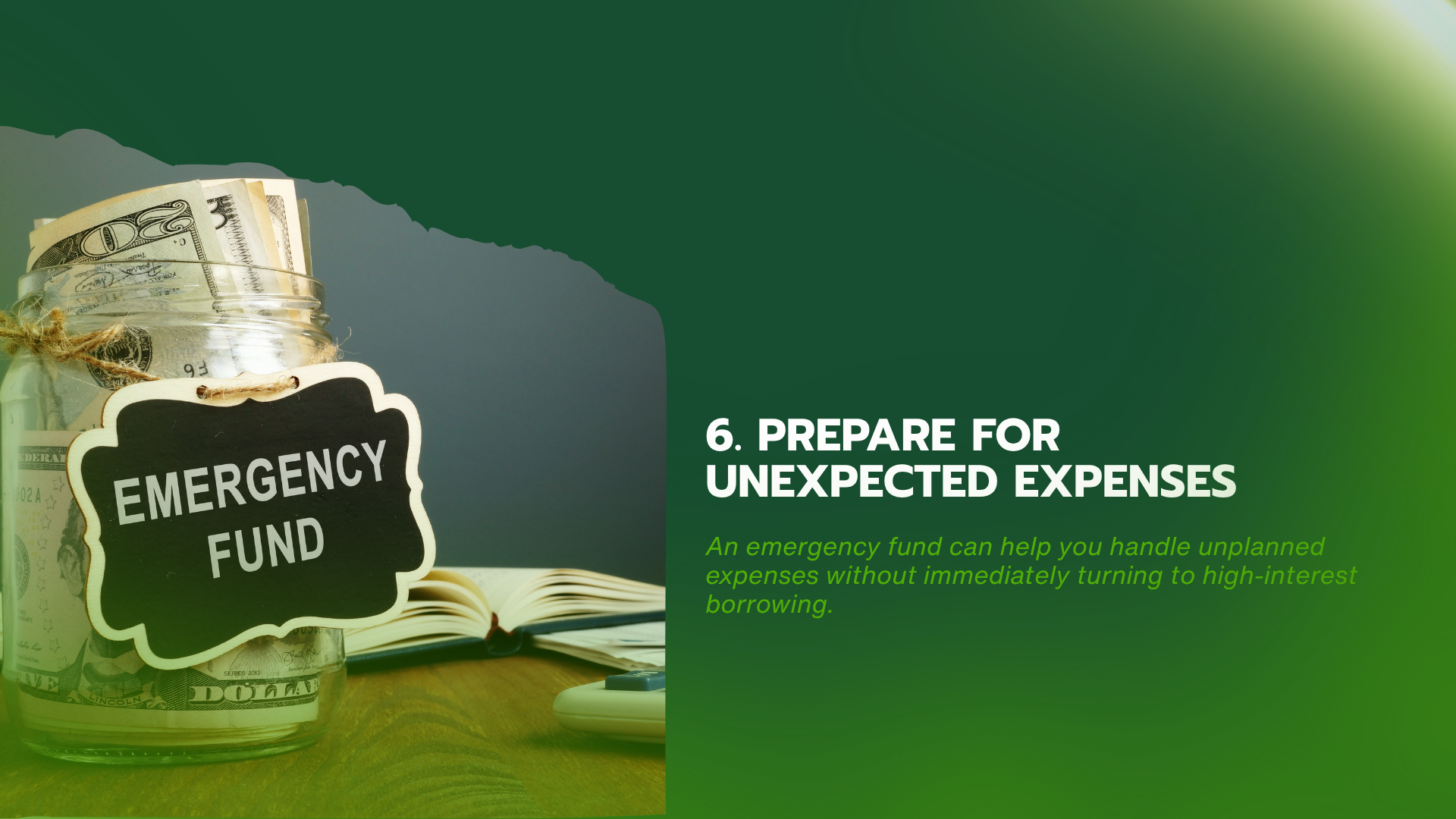
6. Prepare for Unexpected Expenses
Even the best holiday budget can be disrupted by unexpected expenses, such as car repairs, medical bills, or urgent household needs. This is why maintaining emergency savings remains important during the holiday season.
Avoid using your entire savings balance for celebrations if doing so would leave you without a financial cushion. An emergency fund can help you handle unplanned expenses without immediately turning to high-interest borrowing.
If your emergency savings are limited, prioritize essential needs and scale back your holiday plans accordingly. You can still celebrate with a smaller gathering, simpler meals, or lower-cost activities.
It is also helpful to distinguish between expenses that are genuinely unexpected and those that are predictable. Annual travel, holiday gifts, and seasonal celebrations may occur only once a year, but they are generally foreseeable expenses that can be included in your financial plan.
Planning for these costs separately can help preserve emergency funds for situations that truly require them.

7. Communicate Your Budget With Family and Friends
Financial pressure during the holidays does not always come from personal spending habits. Expectations around gift-giving, hosting celebrations, and attending gatherings can also influence how much people spend.
Open communication can help everyone establish realistic expectations.
Consider discussing affordable gift exchanges, setting spending limits, sharing the cost of holiday meals, or organizing gatherings where everyone contributes a dish. Families can also agree to focus on spending time together rather than exchanging expensive presents.
If you are working toward a financial goal or paying down existing debt, explain that you are making intentional decisions to protect your financial future. You do not need to spend beyond your means to demonstrate care for the people who matter to you.
Establishing boundaries is not a sign of being less generous. It is a way to celebrate responsibly while respecting your financial circumstances and those of others.
8. Review Your Spending Throughout the Season
Creating a budget is only the first step. Following it requires regular monitoring.
Keep receipts, review bank and credit card transactions, and update your spending totals after each shopping trip or major expense. Compare your actual spending with the limits you established.
If you overspend in one category, look for ways to adjust another category before making additional purchases. For example, spending less on decorations may leave room for a planned family activity without increasing your overall budget.
Tracking expenses also helps you identify patterns that may affect future financial decisions. You may discover that delivery fees, last-minute purchases, or unplanned gatherings account for a larger portion of your spending than expected.
If you realize that your budget is no longer realistic, revise it early rather than ignoring the problem. The objective is not to follow a plan perfectly; it is to remain aware of your financial position and make informed choices.

9. Plan for a Strong Financial Start to the New Year
Your financial planning should extend beyond the holiday season. Before making additional purchases, consider how your holiday spending will affect your financial goals in the coming months.
If you have existing debt, avoid adding unnecessary balances that could make repayment more difficult. Continue making required payments on time and, when possible, direct extra funds toward reducing costly debt.
If you do accumulate holiday debt, review your balances, interest rates, minimum payments, and due dates. Build a repayment plan that fits your income and essential expenses. The Federal Trade Commission advises consumers to understand their credit card interest costs, pay more than the minimum when possible, and contact creditors promptly if they cannot make their required payments.
You can also use this year's experience to improve next year's holiday plan. Record your actual expenses, identify areas where you overspent, and begin saving for the following holiday season once your regular financial obligations allow.
Small, consistent improvements can make future celebrations easier to manage.

Celebrate the Season Without Sacrificing Your Financial Future
The holiday season should be a time of joy, gratitude, and connection—not a source of long-term financial stress. While gifts, celebrations, and family traditions are meaningful, they should not come at the expense of financial stability.
By setting a realistic budget, saving in advance, prioritizing essential expenses, shopping intentionally, and using credit responsibly, you can enjoy the festivities while keeping your financial goals on track.
Remember that financial wellness is not about eliminating every holiday expense or giving up the traditions you love. It is about making thoughtful choices that allow you to enjoy the present without compromising your future.
This holiday season, give yourself and your family a gift that lasts beyond the festivities: the confidence that comes from making informed financial decisions and building a more secure financial future.
References
1. Dohn K. A five-step spending plan to avoid holiday debt. Consumer Financial Protection Bureau. November 22, 2017. Accessed October 18, 2026. https://www.consumerfinance.gov/archive/blog/five-step-spending-plan-avoid-holiday-debt/
2. Federal Trade Commission. Making a budget. Consumer.gov. Accessed October 18, 2026. https://consumer.gov/your-money/making-budget
3. Federal Trade Commission. Paying off holiday credit card debt. Consumer Advice. Accessed October 18, 2026. https://consumer.ftc.gov/consumer-alerts/2018/01/paying-holiday-credit-card-debt
